
A comprehensive framework for understanding and treating complex trauma
The trauma field has taught us an extraordinary amount about how trauma affects the brain, body, memory, relationships, development, and sense of self. What has remained harder is putting that knowledge together in a way that answers a basic clinical question:
What is happening with this person, and what do I do next?
That is the problem the Dialectical Trauma Recovery Model (DTRM) was developed to address.
DTRM is a standalone trauma treatment model that helps clinicians understand how trauma uniquely affects each person, identify where dysregulation is occurring, and match interventions to what that person needs and is ready for.
Where DTRM began
The roots of DTRM go back to a federal contract I received through the Department of Justice to develop a stabilization-based DBT trauma program for the Bureau of Prisons.
That work reinforced something I had seen throughout my clinical career: trauma history alone does not tell us what treatment someone needs.
Two people can experience similar trauma and show profoundly different effects. One may struggle with emotional regulation. Another dissociates. Another becomes disconnected from bodily cues. Others struggle primarily with relationships, behavior, meaning, or identity.
We needed a better map.
Years of clinical work, program development, training, and refinement ultimately became DTRM.
A multi-system approach to trauma
DTRM organizes trauma across five interconnected systems and eleven domains:
- Mind and Meaning: Emotional, Cognitive, and Belief/Meaning
- Body-Based: Nervous System, Somatic, and Interoceptive
- Consciousness and Memory: Dissociative and Memory
- Action and Connection: Behavioral and Relational
- Developmental: Developmental
Rather than asking only What symptoms does this person have?, DTRM asks:
Which systems and domains are activated, how are they interacting, and what does this person need next?
That changes treatment.
A client who cannot reliably stay present may not be ready for memory processing. Someone disconnected from internal sensations may need interoceptive work before more intensive somatic interventions. Someone without sufficient emotional regulation may need stabilization before deeper trauma work.
The intervention should follow the person, not the other way around.
Regulation first, then integration
DTRM is capacity-building and regulation-first.
The goal is not to avoid trauma processing. It is to prepare people to engage in deeper trauma work effectively and safely when it is needed. For many people, stabilization and integration through DTRM may meet their recovery needs without progressing to a separate trauma-processing treatment.
DTRM builds capacity across emotional, cognitive, physiological, behavioral, relational, and developmental functioning. As those capacities strengthen, treatment can move more deeply into memory, meaning, identity, relationships, and integration.
Dialectics is central to that process. Trauma can fragment how people experience themselves and their lives. DTRM helps clients hold complexity and build a more integrated understanding of themselves and what they have experienced.
RISE: from conceptualization to action
The RISE method turns DTRM into practical clinical decision-making:
Recognize → Identify → Skills-Based Response → Evaluate and Adapt
Clinicians identify what is happening across systems and domains, choose interventions that fit the client’s current needs and capacities, evaluate what happens, and adapt.
It brings us back to the question at the center of DTRM:
**What is happening with this person, and what do I do next? **
With DTRM, mapping the complexity leads to targeted skills-based interventions that lead to stability, agency, and recovery.
DTRM is here
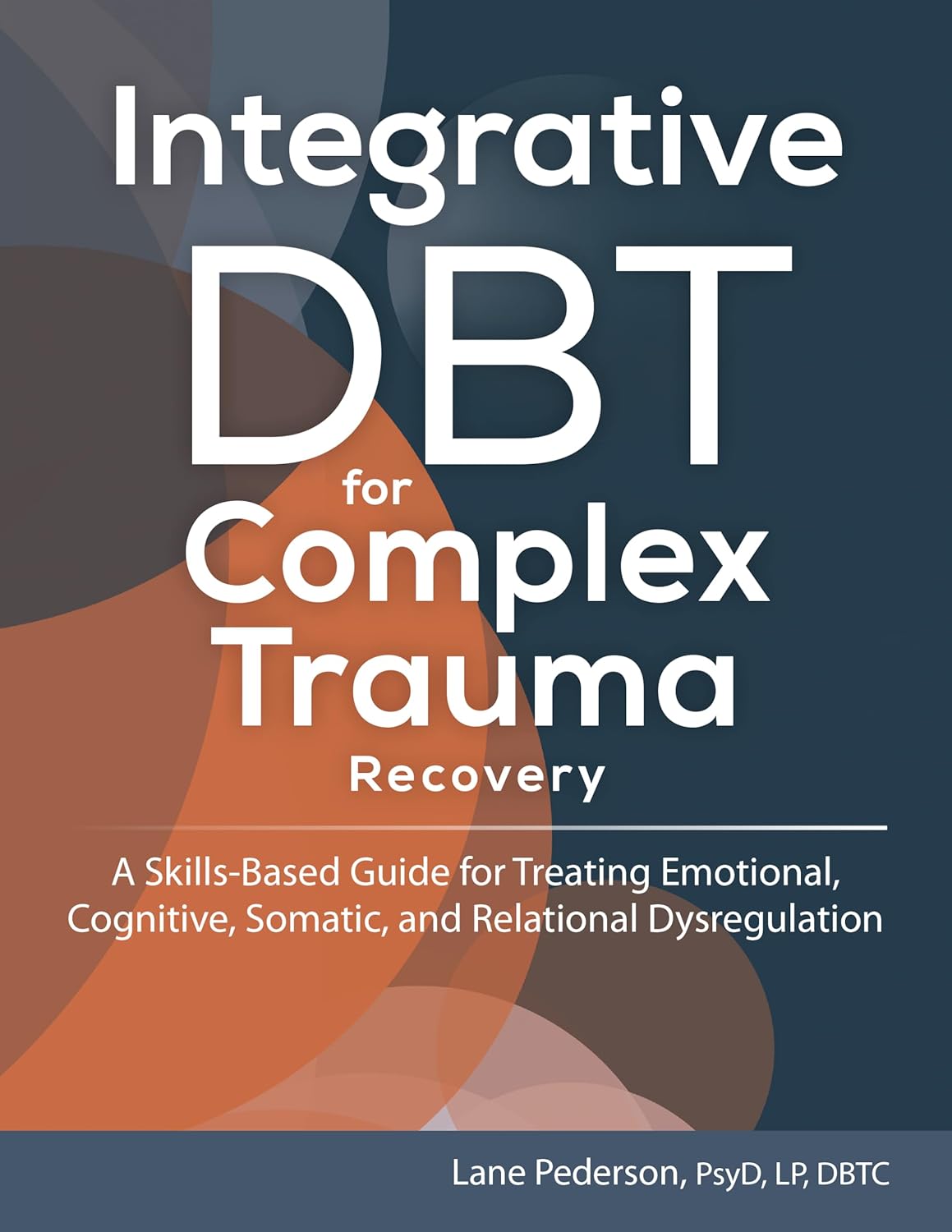
DTRM is presented in my new book, Integrative DBT for Complex Trauma Recovery, available now.
The book lays out the full model, the five systems and eleven domains, the RISE method, and the targeted application of DBT skills within trauma treatment.
DTRM grew from a simple clinical observation: people experience trauma differently, so effective trauma treatment needs to account for those differences.
The goal was not another collection of trauma techniques. It was a better way to understand the person in front of us and a clearer way to decide what comes next.
Bring DTRM to your organization
I also provide DTRM training for behavioral health organizations, agencies, hospitals, treatment programs, and clinical teams.
Organizational training goes beyond teaching individual techniques. The goal is to give clinicians and programs a shared framework for conceptualizing trauma, making treatment decisions, sequencing interventions, and talking about complex cases across disciplines.
Training can be tailored to your organization, population, and level of experience, from introductory DTRM training to more intensive implementation and clinical application.
If your organization is looking for a more coherent, practical approach to complex trauma treatment, let’s talk about bringing DTRM to your team.